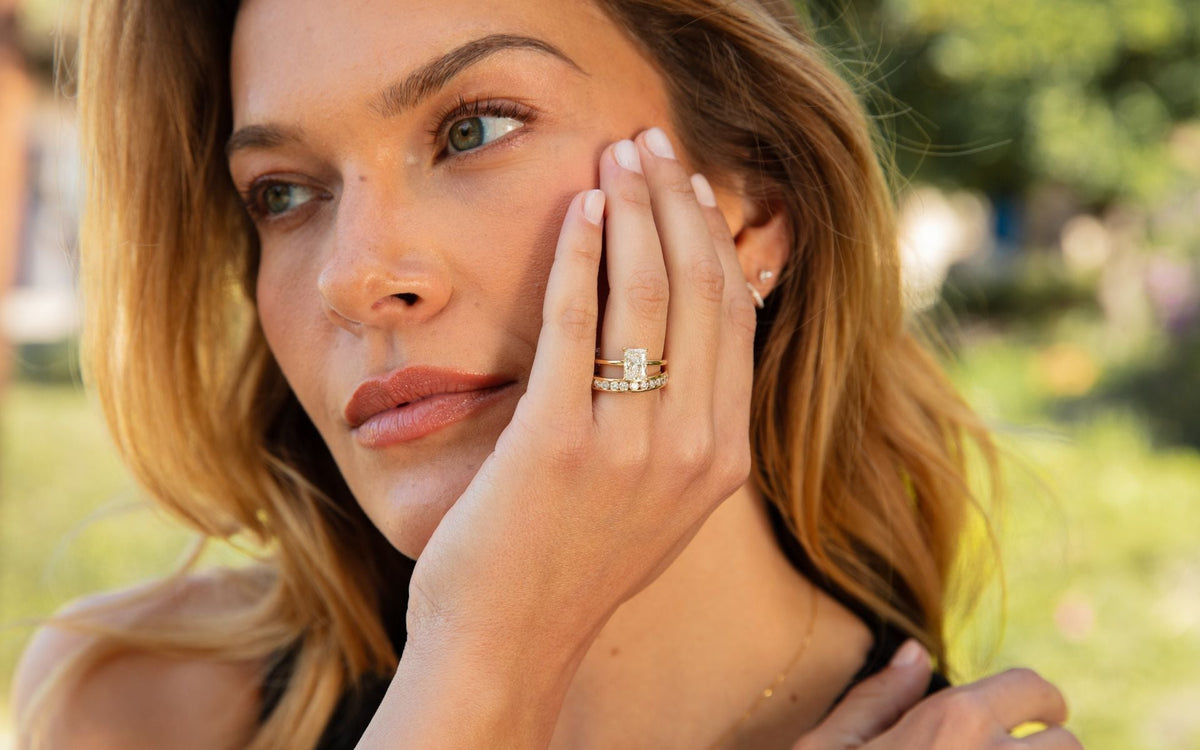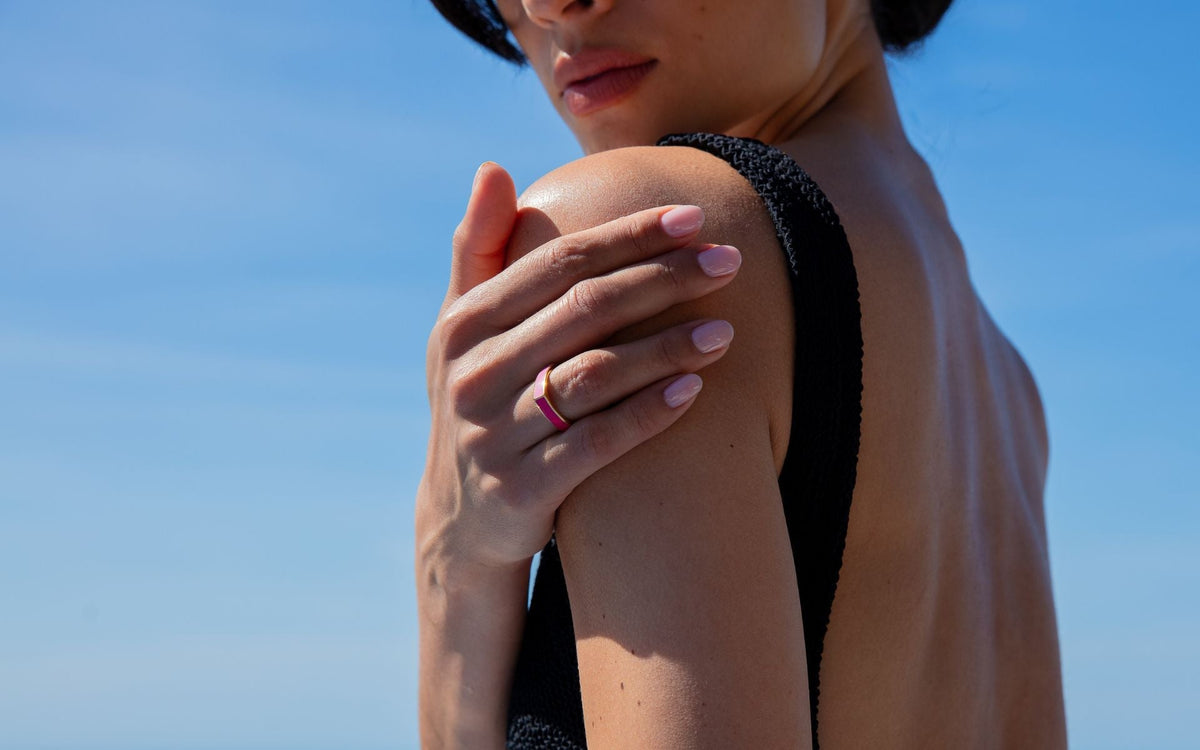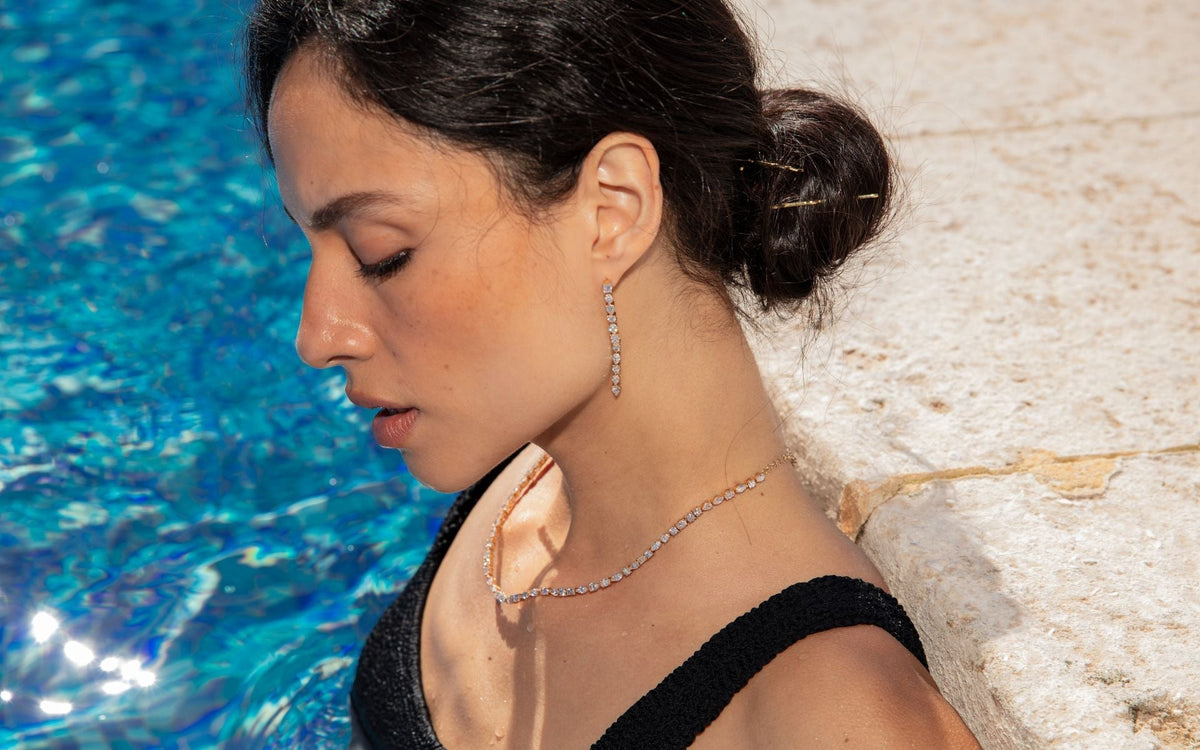

How to combine rings: The ultimate guide to perfect ring stacking
Imagine standing in front of your jewelry box and asking yourself: Which earrings go together today? Whether for your best friend's upcoming wedding or simply for the perfect everyday look - creatively combining earrings has become a real art form. With multiple ear piercings, different styles and the courage to mix materials, you can create individual looks that emphasize your personality. In this guide, you will learn how to harmoniously combine studs, hoops and modern ear cuffs, which rules apply when mixing gold and silver and how to create the perfect earring style for every occasion - from a business meeting to a glamorous wedding reception.
The most important facts at a glance
How many rings can you actually combine?
The rule of thumb for ring stacking is to wear a maximum of three to four rings per hand. The right balance between statement pieces and delicate designs makes the difference between a stylish appearance and an overloaded look.
Learn more
Mixing gold and silver - is it really possible?
The former taboo of combining different metals is now a popular trend. With the 70:30 rule and well thought-out transitions, modern, individual looks are created using white gold, yellow gold and other precious metals.
Learn more
What is the symbolic significance of the ring placement?
Each finger has its own meaning - from the ring finger for love to the index finger for ambition. The right placement gives your ring stack additional expressiveness and creates a harmonious overall look.
Learn more
How do you wear a wedding ring and engagement ring together?
The classic combination follows the tradition of wearing the wedding ring closer to the heart. Modern interpretations allow for creative variations with matching sets or deliberate contrasts for an individual wedding look.
Learn more
What is ring stacking and why is it so popular?
Understanding the basics of ring stacking
Ring stacking is the art of combining several rings together to create a harmonious, personalized look. This jewelry trend allows you to arrange different rings - whether filigree rings, statement rings or classic wedding rings - to create an individual style. The special thing about ring stacking is that you don't have to wear your favorite rings individually, but rather combine them to create an expressive ensemble.
The stacking technique allows you to experiment with different designs, metals and gemstones. Whether you mix white gold with yellow gold or combine sparkling diamonds with plain rings - the possibilities are almost endless. The important thing is that the rings match each other and create a harmonious overall look.
"The secret to ring stacking lies not in the number of rings, but in their harmonious composition. Each ring should tell a story and together they should create a coherent overall picture."
Current trends in combining rings
The current trend shows a clear direction: the focus is on individuality. Mixing different metals is particularly popular - rose gold meets platinum, yellow gold harmonizes with stainless steel. These bold combinations break with traditional rules and create modern, eye-catching looks.
Another trend is asymmetrical stacking, in which rings of different widths are combined. This involves mixing narrow bands with wider statement rings to create tension and visual depth. Incorporating gemstones in different colors and sizes is also on trend - from subtle diamonds to colorful gemstones.

The most important rules for combining rings
How many rings are too many?
When it comes to ring stacking, less is often more. You should wear a maximum of three to four rings per hand to avoid looking overloaded. This rule of thumb helps you to create a stylish look without your hands looking overloaded. Of course, the ideal number also depends on the size and design of the individual pieces of jewelry - three delicate rings look less dominant than three wide statement rings.
Distribution also plays an important role. Instead of concentrating all the rings on one hand, you can spread them across both hands. This creates balance and gives your look a sophisticated look.
Can you combine two rings?
Combining two rings is not only possible, but often the perfect introduction to ring stacking. This minimalist approach is particularly suitable for everyday wear and looks elegant without being obtrusive. The classic approach is to combine an engagement ring with a wedding ring, but other pairings also work perfectly.
When combining two rings, you should pay attention to harmonious proportions. A narrow ring next to a wider one creates an interesting contrast, while two similarly wide rings make a uniform, powerful statement.
Finding the right balance
When combining rings, balance is achieved through conscious decisions. Make sure that heavy, eye-catching rings are balanced with subtle, delicate designs. A signet ring, for example, looks particularly good when combined with plain rings.
The color balance also plays an important role. If you mix different metals, one metal should dominate while the other serves as an accent. This 70:30 rule helps you to create a harmonious look that doesn't look chaotic.
Discover our rings

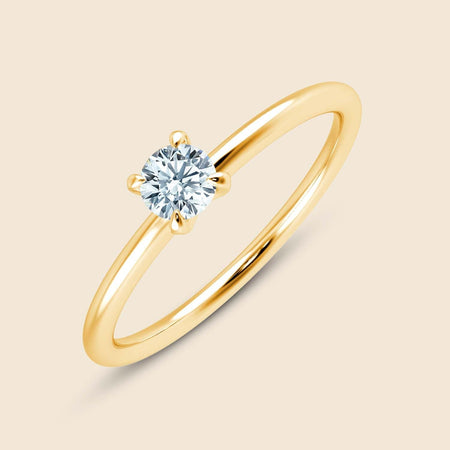


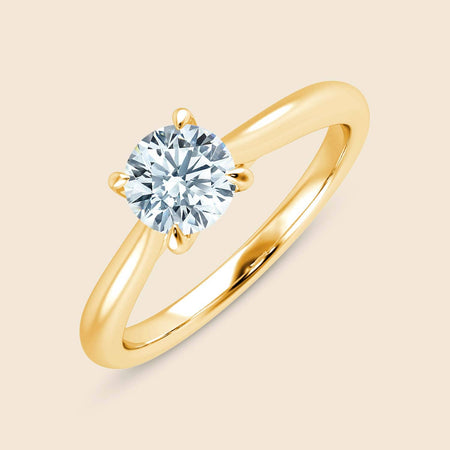

Practical guide: how to combine rings correctly
How do you wear two rings in style?
Wearing two rings in style starts with the right placement. You can either wear them next to each other on one finger or spread them out on different fingers. When worn on one finger, the rings should either match perfectly or deliberately contrast - half-hearted combinations often look indecisive.
A tried and tested approach is to choose a narrow ring as the base and complement it with a slightly wider or more elaborately designed ring. This combination creates depth and visual interest without being too dominant.
Combining several rings on one finger
Wearing several rings on one finger, also known as a finger stack, requires special dexterity. Start with the largest or most eye-catching ring as the center and complement it with narrower bands. This technique works particularly well on the ring finger or middle finger.
When stacking three rings on one finger, the following arrangement is recommended: a central statement ring is framed by two plain bands. This sandwich technique draws the eye to the central piece of jewelry and creates a harmonious frame at the same time.
Mixing gold and silver for ring stacking
Mixing gold and silver was long considered taboo, but is now a popular trend. The key to a successful mix lies in the deliberate design. Use one metal as the main color and use the other as an accent. A set of mainly yellow gold rings with a single white gold accent looks sophisticated and modern.
To combine the different metals, you can choose rings that combine both metals - for example, two-tone designs or rings with mixed metal elements. These act as a bridge between the different shades.
You could stack the Nami rings like this


Ring stacking for various occasions

The addition of narrow side rings that pick up on the design of the wedding ring is popular. These can be set with small diamonds or gemstones and give the classic wedding ring a contemporary touch. It is important that the ring size of all pieces fits perfectly so that they do not slip when worn.
Which 4 rings should a woman receive?
The tradition of the four rings has symbolic meaning and classically includes: the engagement ring as a sign of promise, the wedding ring as a symbol of union, an eternity ring to celebrate special milestones and an anniversary ring for significant anniversaries. Together, these four rings tell the story of a relationship.
In a modern interpretation, it does not necessarily have to be four separate rings. Many women today prefer a well-thought-out set of two to three rings that can be flexibly combined. The decisive factor is that each piece of jewelry carries a personal meaning and matches the individual style.
Face shape and earring combinations
Oval faces: all options open
With an oval face shape, you've hit the jackpot - practically all earring combinations suit you. This balanced face shape allows you to play with proportions: Long earrings emphasize your natural elegance, while wide hoop earrings add a modern accent.
Use your freedom for creative combinations: Asymmetrical styles, where you wear different earrings on the right and left, look particularly harmonious on oval faces. Experiment with different lengths and shapes - from geometric studs to bold drop earrings.
Round and square faces: the right proportions
For round faces, elongated earrings create an advantageous elongation. Combine narrow dangle earrings or elongated clip earrings with small studs in the upper ear holes. Avoid hoops that are too wide or round in the main ear hole - they emphasize the width of the face.
Angular face shapes benefit from soft, round shapes. Large hoop earrings or drop-shaped earrings in the lower ear hole, combined with round studs above, soften hard contours. Curved designs and organic shapes create a beautiful contrast to the prominent jawline.

Combine wedding rings in style
Wearing a wedding ring & engagement ring correctly
The classic combination of wedding ring and engagement ring follows certain traditions, but leaves room for personal interpretation. Traditionally, the wedding ring is worn closer to the heart, i.e. placed on first, followed by the engagement ring. This arrangement symbolizes that marriage is the foundation on which love is built.
Modern couples often choose rings that have been specially designed as a set. These matching rings pick up on design elements and create a harmonious overall look. Alternatively, contrasting styles - such as a simple wedding band with a sparkling engagement ring - can create an interesting visual dialog.
Pre-stud ring: yes or no?
A stud ring, also known as a side ring, can be the perfect complement to a wedding band. It is typically worn in front of the wedding ring and protects it from slipping. At the same time, it offers the opportunity to add extra sparkle to the ensemble.
The decision for or against a pre-pin ring depends on your personal style and comfort level. If you decide to go for it, make sure it matches the wedding band perfectly - both in width and design. Many jewelers offer custom-made stud rings that are precisely matched to your wedding ring.
Matching materials and colors harmoniously
The harmonious coordination of ring materials is particularly important at the wedding. Classic combinations such as white gold with platinum or yellow gold with rose gold create an elegant unity. The choice of material should not only be based on aesthetic but also practical considerations - different metals have different degrees of hardness and care requirements.
When it comes to color coordination, you can either work tone-on-tone or create deliberate contrasts. A monochrome look in different shades of white gold looks timelessly elegant, while the combination of yellow gold with white gold accents appears modern and individual. It is important that all rings speak a common design language.
Discover classic rings from Pukka Berlin
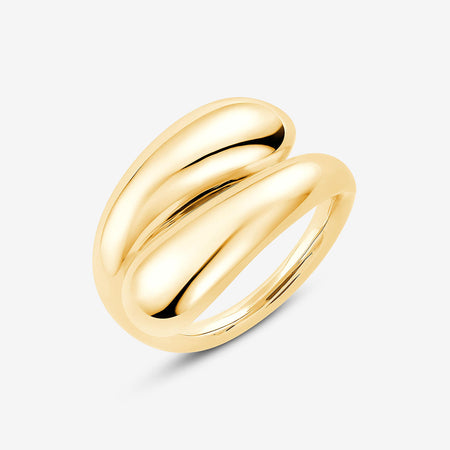
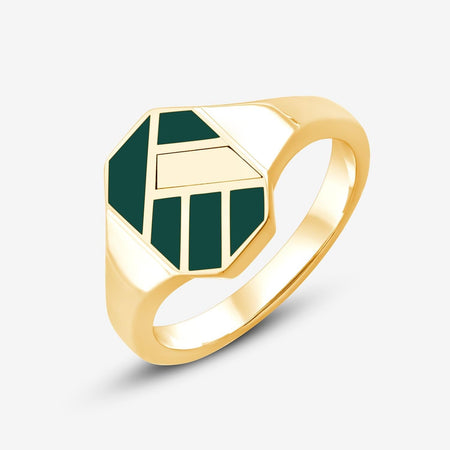
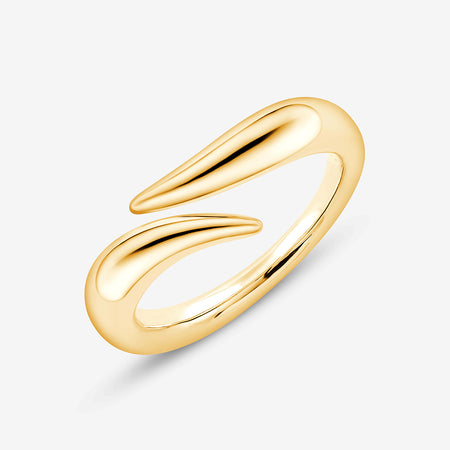


Placement makes all the difference
Which ring on which finger?
The placement of your rings follows both traditional and personal rules. The ring finger on the left hand is classically reserved for engagement and wedding rings, while the right ring finger is often used for jewelry rings. The middle finger is great for statement rings or wider bands as it is the longest finger and can carry more visual weight.
The index finger is ideal for eye-catching designs or signet rings, while the little finger is traditionally used for signet rings or narrow bands. With ring stacking, you can interpret these rules creatively - the important thing is that the overall composition looks balanced.
What the ring placement means
Each finger has its own symbolic meaning. The ring finger is traditionally associated with love and relationships, the middle finger symbolizes balance and responsibility, while the index finger stands for leadership and ambition. The thumb represents willpower and the little finger stands for communication and intuition.
These meanings can serve as a guide, but do not have to be strictly followed. It is much more important that you feel comfortable with your ring placement and that it suits your personal style. Modern ring stacking enthusiasts often mix traditional and personal meanings.

What you should look out for when ring stacking
When does a ring actually fit well?
A ring fits perfectly when it can be slipped effortlessly over the knuckle but does not slip off the finger by itself. When ring stacking, the right ring size is even more important, as several rings fit a little tighter around the finger. Also bear in mind that fingers can swell slightly during the course of the day and depending on the temperature.
For optimal comfort when wearing multiple rings, you should make sure that there is minimal space between the individual rings. They should not scratch or rub against each other. Professional jewelers can help you find the perfect fit for your ring stack.
Material and style combinations
When choosing the material for your ring stack, you should consider both aesthetic and practical aspects. Precious metals such as gold, platinum and silver can generally be combined well, but have different degrees of hardness. Softer metals such as gold can be scratched by harder metals such as platinum if they are worn next to each other.
Stylistic combinations follow the principle of harmony in diversity. Minimalist designs can be wonderfully combined with a single, intricately designed ring. Or you can choose a continuous style - such as art deco or vintage - and only vary the size and stone setting.
Care and suitability for everyday wear
Wearing several rings also means paying attention to their care. Different metals and gemstones require different cleaning methods. Create a routine: take your rings off when doing sports, housework or sleeping to avoid damaging them.
A flexible system is recommended for everyday wear: keep a basic set ready for daily use and add special pieces depending on the occasion. This will protect your most valuable rings and you can still enjoy your individual stacking style every day. A high-quality jewelry set from Pukka Berlin offers you the perfect basis for versatile combinations that will impress both in everyday life and on special occasions.
Discover our Candy Cane Rings


Care and Everyday Wear
Wearing multiple rings also means taking care of them. Different metals and gemstones require different cleaning methods. Establish a routine: Take off your rings when exercising, doing housework, or sleeping to prevent damage.
For everyday wear, a flexible system is recommended: Keep a basic set on hand for daily use and complement it with special pieces depending on the occasion. This way, your most valuable rings stay in good condition, and you can still enjoy your unique stacking style every day. A high-quality jewelry set from Pukka Berlin provides the perfect foundation for versatile combinations that look great both in everyday life and on special occasions.

Frequently asked questions
Yes, combining two rings is the ideal introduction to ring stacking. This minimalist variation is perfect for everyday wear - make sure that the proportions between a narrow and a wider ring are harmonious or choose two similar designs for a uniform look.
You can wear two rings either directly next to each other on one finger or on different fingers. When worn on one finger, the narrower ring should serve as the base and be complemented with a statement ring - alternatively, two rings of the same width also work for a powerful look.
You should wear a maximum of three to four rings per hand to avoid looking overloaded. The ideal number depends on the size of the rings - three delicate bands look more discreet than three wide statement rings, and spreading them over both hands creates additional balance.
The traditional four rings include the engagement ring, wedding ring, eternity ring and anniversary ring. In a modern interpretation, there can also be two or three meaningful rings that can be flexibly combined - the personal meaning of each piece of jewelry is more important than the number.
It's best to combine rings with different widths and textures for visual interest. Classic combinations are:Narrow wedding band + wide statement ringSmooth bands + rings with stones. Different metals in a 70:30 ratio.
Mix gold and silver in a ratio of 70:30, with one metal dominating and the other serving as an accent. Two-tone rings or designs with both metals act as the perfect bridge between the different shades.
Conclusion
Combining rings opens up endless possibilities for you to express your personal style. Whether you opt for the classic combination of a wedding ring and engagement ring or boldly mix different metals and designs - with the right techniques, you can create harmonious ring stacks to suit any occasion. Remember: the perfect balance is created through deliberate placement, harmonious proportions and the choice of high-quality materials. Start with two to three rings and slowly work your way up to more complex combinations. In this way, you will find your individual stacking style that emphasizes your personality while remaining suitable for everyday wear.