
Combine bracelets: How to create the perfect wrist look
You love jewelry, but when you look at your wrist, you ask yourself: How do I actually combine my bracelets correctly? The art of combining bracelets can seem overwhelming at first - too many options, too many rules that you seem to have to follow. But it's not as complicated as it seems. With the right techniques and a sense of harmony, you can turn individual pieces of jewelry into a harmonious work of art on your wrist. In this guide, you will learn all about the perfect balance between statement and elegance, learn how to skillfully mix different materials and discover how to create the ideal bracelet arrangement for every occasion - from relaxed everyday wear to festive weddings.
The most important facts at a glance
How many bracelets are actually too many?
The ideal number of bracelets depends on your personal style and the occasion. Two to four pieces are recommended for everyday wear, while up to seven bracelets can create a glamorous look for special events.
Learn more
Which materials really harmonize with each other?
The skillful mix of different precious metals and gemstones makes modern bracelet combinations really interesting. Rose gold next to white gold or matt surfaces next to polished ones create exciting contrasts.
Learn more
Do bracelets belong in front of or behind the watch?
The traditional placement of bracelets is between the watch and the hand, but modern interpretations allow more freedom. The right proportions and a harmonious coordination of materials are crucial.
Learn more
How do you perfectly showcase a single bracelet?
An unusual statement bracelet deserves special attention. By deliberately framing them with simple companions or wearing them solo, you can show off special pieces of jewelry to their best advantage.
Learn more
The basics of combining bracelets
How do you combine bracelets correctly?
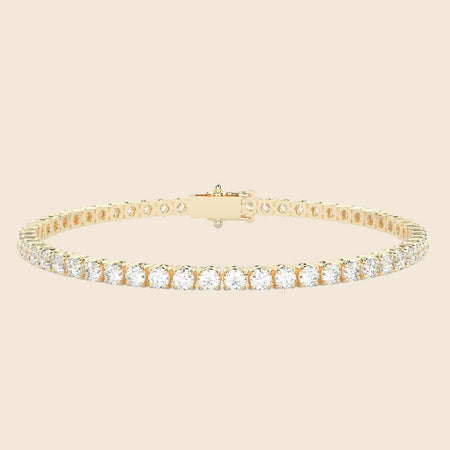
Combining bracelets is an art that is easy to master with the right basic rules. The key is to create a harmonious balance between different styles, materials and sizes. Start by choosing a statement bracelet as an anchor - this could be an elegant tennis bracelet with sparkling diamonds or a striking stainless steel bangle.
"The magic lies in the details – when you combine bracelets, you tell your own personal story on your wrist. Dare to mix different materials and find your own style."
When layering bracelets, vary the widths and textures to create depth and visual interest. A narrow gold chain next to a wider leather strap or a pearl bracelet creates an exciting contrast. Make sure that the colors harmonize with each other - rose gold, white gold and yellow gold can certainly be mixed together if you use them consciously and stylishly.
The most important rule when combining: Less is often more. Start with two to three bracelets and build up your look gradually. This prevents your wrist from looking overloaded and allows you to experiment with which combinations work best together.

The perfect number: how many bracelets should you wear?
The question of the ideal number of bracelets depends heavily on personal style and the occasion in question. For everyday wear, two to four bracelets are recommended - enough to make a fashion statement without becoming impractical. This number allows you to combine different textures and designs while keeping the look elegant and uncluttered.
For special occasions, you can be bolder and wear up to six or seven bracelets. The important thing is that the pieces of jewelry are coordinated and tell a coherent story. A mix of delicate chains, an eye-catching bangle and a few narrow bands with gemstones can create a breathtaking effect.
Also consider the proportions: On a narrower wrist, three to four delicate bracelets often work better than two bulky pieces. Conversely, larger wrists can certainly tolerate several statement pieces. The aim is always to create a look on your wrist that emphasizes your personality without restricting your freedom of movement.


Practical styling techniques
Layering bracelets and wearing them on top of each other
Layering bracelets is one of the most popular techniques for creating an individual and modern bracelet look. Start with the largest or most eye-catching piece as a base - such as a wide bangle or a striking watch. From there, work your way up to the finer elements.
A tried and tested method is the "pyramid technique": place the widest bracelet in the middle and arrange narrower pieces around it. This creates a harmonious silhouette that naturally draws the eye across your wrist. Alternatively, you can work with the "gradient method", where you arrange the bracelets from wide to narrow or from dark to light.
Experiment with different distances between the individual bracelets. Pieces that are close together create a compact, powerful look, while more space between the bracelets creates a more airy, playful look. Make sure that the bracelets do not get tangled up when worn - flexible materials such as leather or textiles often combine better with rigid metals than several chain links together.
Material mix: skilfully combine precious metals and gemstones
The mix of materials is the secret to really interesting bracelet combinations. For a long time, the rule was that metals should not be mixed - but modern styling experts see things differently. A thoughtful mix of colors and textures can add a whole new dimension to your outfit.
Combine warm and cool tones deliberately: a rose gold bracelet next to a white gold piece can look surprisingly good if both are held together by a connecting element - such as diamonds or similar gemstones. The key is to find a common visual language, be it through similar designs, complementary colors or recurring motifs.
When incorporating gemstones, choose a color family or stick with neutral tones if you're unsure. A sparkling tennis bracelet with clear diamonds can be wonderfully combined with colored gemstones as long as the intensity remains balanced. Matte surfaces next to polished ones, rough textures next to smooth ones - these contrasts make your bracelet lively and interesting without being jarring.

Harmoniously combining watches and bracelets
The right placement: bracelets in front of or behind the watch?
The combination of bracelets with a watch requires special sensitivity. The traditional rule is that bracelets should be worn on the side facing away from the watch face - i.e. between the watch and the hand. This placement prevents the bracelets from obstructing the view of the watch and ensures a balanced look.
However, modern interpretations allow more freedom: narrow, delicate bracelets can also be worn above the watch, especially if they complement the design of the watch. A delicate gold chain that nestles elegantly around the watch strap can create a particularly sophisticated effect. It is important that the proportions are right - solid bracelets should never dominate the watch.
When wearing bracelets with a watch, pay attention to the material harmony: a stainless steel watch harmonizes perfectly with silver-coloured bracelets, while a rose gold watch calls for warm tones. The thickness of the bracelets should also match the size of the watch case - a dainty ladies' watch quickly looks lost next to bulky bangles, while a striking sports watch can certainly tolerate heftier companions.
Which arm for which jewelry?
The question of which wrist bracelets should be worn on has no fixed rule - it depends on your personal preferences and practical considerations. Traditionally, right-handed people wear their watch on their left wrist, which leaves room for bracelets on the right arm. This division can create a balanced overall look and prevent a wrist from looking cluttered.
For a symmetrical look, you can wear different bracelets on both wrists. You should make sure that both sides are visually balanced - this does not necessarily mean the same number, but a similar "weight" in the overall impression. A statement bracelet on the left can be balanced by two to three finer bracelets on the right.
Practical aspects also play a role: wear more delicate or valuable pieces on the less active hand to avoid damage. Professionals who write a lot or work at a computer often prefer minimal jewelry on their dominant wrist. Ultimately, experiment and find out what feels right for you - jewelry should never restrict your movements, but rather accompany them elegantly.
Discover our bracelets


Styling for every occasion
Casual combinations for everyday wear
Uncomplicated combinations that combine style and functionality are ideal for everyday looks. Start with a simple leather bracelet or a delicate necklace as a base and add one or two more pieces. Beaded bracelets in natural colors, braided textile bracelets or minimalist metal bracelets are perfect partners for a relaxed outfit.
The mix of materials in casual styling can be experimental: combine natural materials such as wood or leather with metal for an interesting contrast. A narrow stainless steel bracelet next to a braided leather strap and a bangle with a matt finish creates a modern but not over-the-top look. The colors should match your wardrobe - neutral tones such as brown, black and silver are versatile companions.
For sporting or leisure activities, choose robust materials that move with you. Silicone bracelets, elastic beaded bracelets or flexible metal bracelets are ideal. They should be tight enough not to slip, but loose enough not to restrict circulation. The key to successful everyday combinations lies in the balance between personal expression and practical wearability.
Elegant arrangements for special events
For festive occasions, you can go all out with your arm jewelry. This is where sparkling tennis bracelets, elegant bangles with diamonds and luxurious gold chains come into play. The aim is to create an elegant look that complements your outfit without distracting from it. Start with a high-quality statement piece - such as a bangle with gemstones - and build up around it.
For a wedding or gala, you can choose different bracelets in the same metal family to create a cohesive yet interesting look. Three to five bracelets in different widths and textures - all in rose gold or white gold - look particularly sophisticated. Integrate sparkling elements strategically: an eye-catching diamond bracelet framed by simpler companions creates the perfect balance between glamor and elegance.
Coordination with your outfit is particularly important for formal occasions. Eye-catching, glittering bracelets go well with a simple black dress, while an already embellished dress calls for more restrained arm jewelry. Also think about the other pieces of jewelry you wear - earrings, necklace and bracelets should harmonize with each other without being identical. A timeless and elegant approach is to repeat a consistent element - such as a particular gemstone color or metal tone - in all pieces of jewelry.


Make a statement: How to make individual bracelets stand out
Sometimes less really is more, especially if you have an unusual bracelet that you want to be the center of attention. To skillfully showcase a single piece of jewelry, choose deliberately understated companions or even wear it solo. An intricately designed bracelet with large gemstones or an heirloom with special meaning deserves to be admired without distraction.
If you still want to combine your statement bracelet with others, use the "framing" technique: frame the main piece with much simpler bracelets that emphasize its distinctiveness without competing with it. Two thin gold chains, for example, can perfectly frame a wide bracelet set with diamonds and enhance its sparkle.
Placement also plays a decisive role: an eye-catching bracelet should sit where it naturally catches the eye - usually about two finger widths above the wrist bone. Make sure that it is not too tight and that its shape can come into its own. For asymmetrical or particularly artistic designs, it may be a good idea to wear all the other bracelets on the opposite wrist to give the star piece its own stage.

Frequently asked questions
When combining bracelets, start with a statement piece as an anchor point and then vary widths, textures and materials for a harmonious look. Pay attention to color harmony between the metals and start with 2-3 bracelets to avoid overloading.
For everyday wear, 2-4 bracelets are ideal - they make a fashion statement without being impractical. For special occasions, you can be bolder and wear up to 6-7 bracelets as long as they are coordinated and don't restrict your freedom of movement.
Yes, mixing metal colors is absolutely modern and allowed. The trick is to use a connecting element - such as gemstones in both bracelets or a third bracelet that picks up on both tones.
Sturdy materials such as silicone, elastic beaded bracelets or flexible metal bracelets are suitable for sporty looks. These should fit tightly enough to prevent slipping, but not impair circulation - 1-3 discreet pieces in neutral colors are ideal.
With smartwatches, narrow, minimalist straps work best on the opposite side of the wrist. Alternatively, 1-2 flat bracelets can be worn between the watch and the hand, with materials such as leather or thin metal chains elegantly complementing the modern technology look.
The pyramid technique places the widest bracelet in the center of the arrangement and arranges narrower pieces around it. This method creates a harmonious silhouette that naturally draws the eye across your wrist and is particularly effective with 4-5 bracelets.
Conclusion
Combining bracelets opens up countless possibilities for you to express your personal style. From minimalist everyday looks with two or three discreet pieces to glamorous event styling with sparkling gemstones - the right balance between materials, colors and proportions makes all the difference. With the techniques presented, such as the pyramid method or the deliberate mix of materials, you can easily create a harmonious look on your wrist. Whether you boldly mix gold and silver or showcase a single statement piece - the important thing is that your bracelet combinations suit you and your lifestyle. Experiment with different arrangements and find your very own signature look that emphasizes your personality.