

Schmuck aufbewahren - Schmuckaufbewahrung deiner liebsten Schmuckstücke

Anyone who loves their jewelry knows the problem: the necklaces have once again become knotted, an earring has lost its counterpart and the rings are lying in a mess somewhere in the drawer. Good jewelry storage is not a question of effort, but of the right method. After all, jewelry storage not only has an impact on the durability of the jewelry, but also contributes to how varied your daily looks are. We'll show you the best way to store and protect your jewelry, whether delicate necklaces, hoops, stud earrings, bracelets or valuable rings.

The jewelry box - the classic storage solution
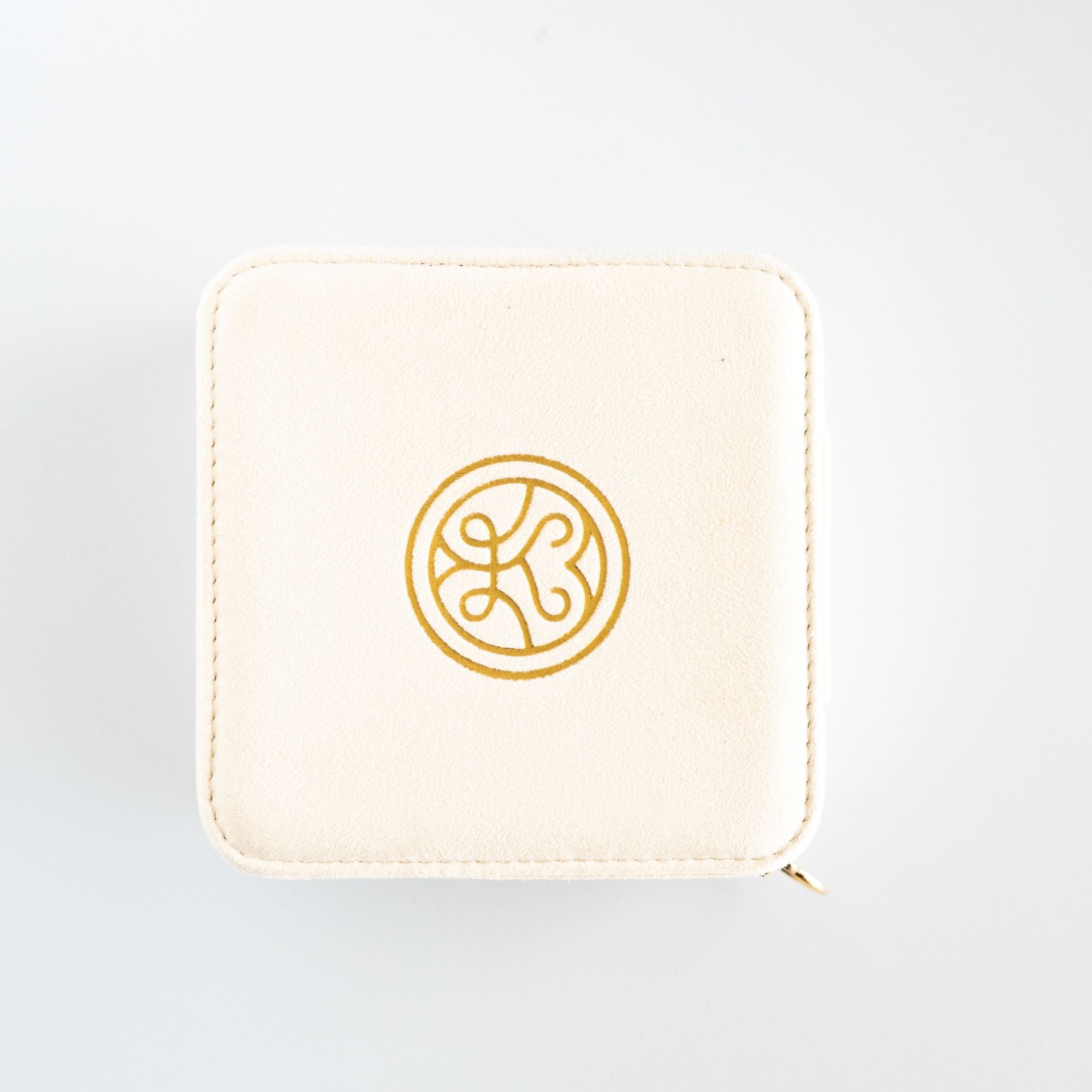
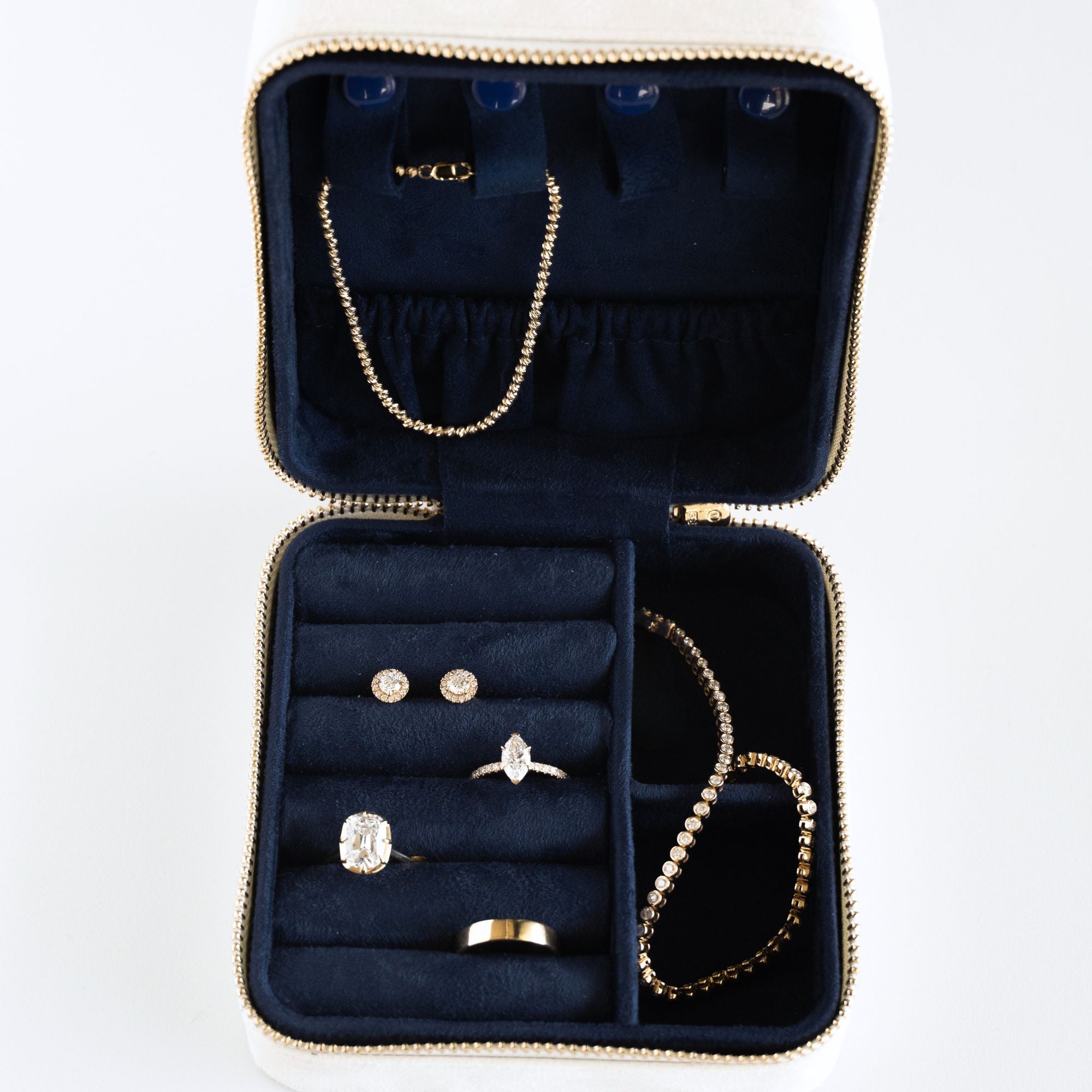
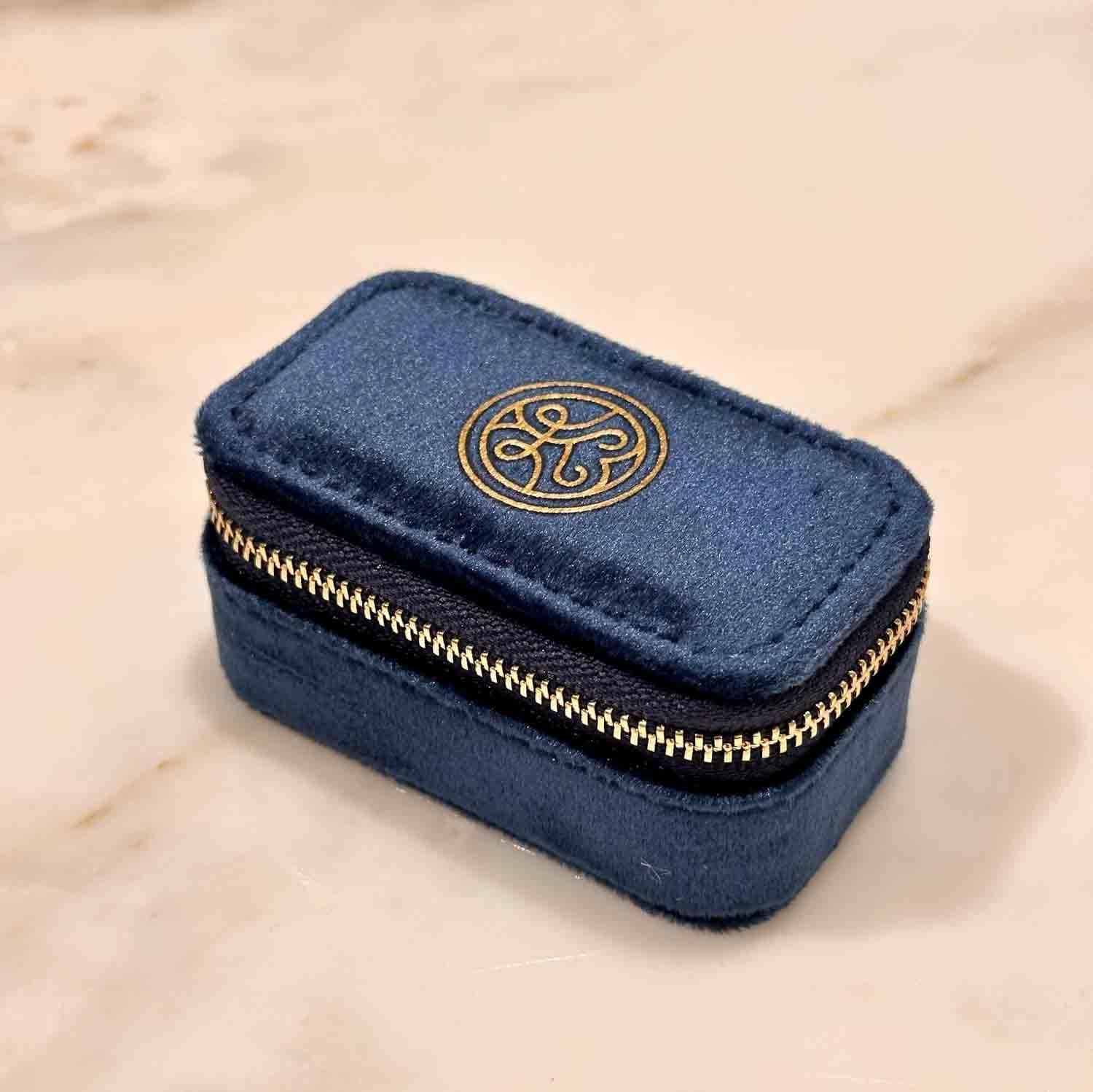
The best way to keep jewelry safe and tidy at home is to use special jewelry boxes or jewelry cases. Models that are softly lined with velvet or fabric on the inside and have a tight-fitting lid are ideal, keeping your jewelry protected from dust, scratches and light. Depending on their size, jewelry boxes and cabinets offer different compartments, drawers, hooks and inserts so that you can store necklaces, rings, earrings and bracelets clearly and separately from each other. Jewelry boxes and jewelry cases made of materials such as wood, metal or plastic that do not let light through are ideal. Necklace stands and ring stands are also suitable if they are placed in a location that is not exposed to direct sunlight. If you like it decorative, you can also opt for open bowls, jewelry trees or jewelry stands that are both stylish and within easy reach.

Store chains without knotting
Knotted necklaces are probably the most annoying thing when it comes to jewelry storage. Few things are more frustrating than trying to put on a filigree chain and instead it is tangled into an almost inextricable knot. First of all, it is important that you close all your chains immediately after putting them on. This will prevent the ends from moving freely and becoming entangled.
Chains tend to get tangled and knotted. To avoid this, it is best to hang them up individually. Chain holders or a hook rail can be very useful here. Chains can also be stored individually next to each other in a drawer or a suitable, ideally transparent container, sorted by length to prevent accidental knotting.
Straws are a practical insider tip for storing delicate necklaces in a space-saving way or taking them with you when traveling. The necklace is carefully threaded through the straw and closed. The pieces of jewelry are thus well protected during transport and cannot become knotted.

Storing rings safely
Storing rings requires a little more attention than other pieces of jewelry. Rings can easily become scratched or deformed if they are stacked on top of each other in the jewelry box or bump into other hard objects. It is therefore best to store rings in separate compartments in a jewelry box. Jewelry boxes and jewelry caskets have special inserts for rings on which they can be securely lined up so that they do not slip and are protected from dust.
It is particularly important that the pieces of jewelry do not come into direct contact with each other, especially if they are not made of pure precious metal. Otherwise, chemical reactions can occur between different materials, which can discolor or damage the jewelry.

Always store earrings and stud earrings in pairs
Earrings should always be kept in pairs. This makes it easier to find the right pair and prevents individual earrings from getting lost.
For ear studs, we recommend using pegboards or foam inserts into which the clasps can simply be inserted. Earrings are best stored hanging or lying individually next to each other. Ideally, they should be stored as a matching set in jewelry bags or on jewelry stands.
Buttons are a great way to store earrings safely and creatively when out and about. Simply carefully insert the studs or clasp of a matching pair through the buttonholes and then store the jewelry as usual in a velvet-covered box.

Storing bracelets correctly
Bracelets and Bracelets are best stored hanging and with sufficient space between them so that the chains do not get caught in each other. Bangles made of less flexible materials such as wood or solid bracelets can be stored horizontally in a jewelry box or on a bracelet roll. If you have a lot of bracelets, a jewelry stand with several tiers is the most practical and decorative solution.

Keeping jewelry safe when traveling
If you want to take your favorite jewelry with you when you travel, you should make sure you have the right travel storage. It is worth buying a compact jewelry case, a jewelry roll or a small travel jewelry box. These protect the selected pieces from scratching, knotting and tangling during the trip, whether in a suitcase, hand luggage or weekender. Alternatively, small fabric or zipper bags offer a flexible and space-saving way to secure each piece individually.

Clean regularly - the last step in care
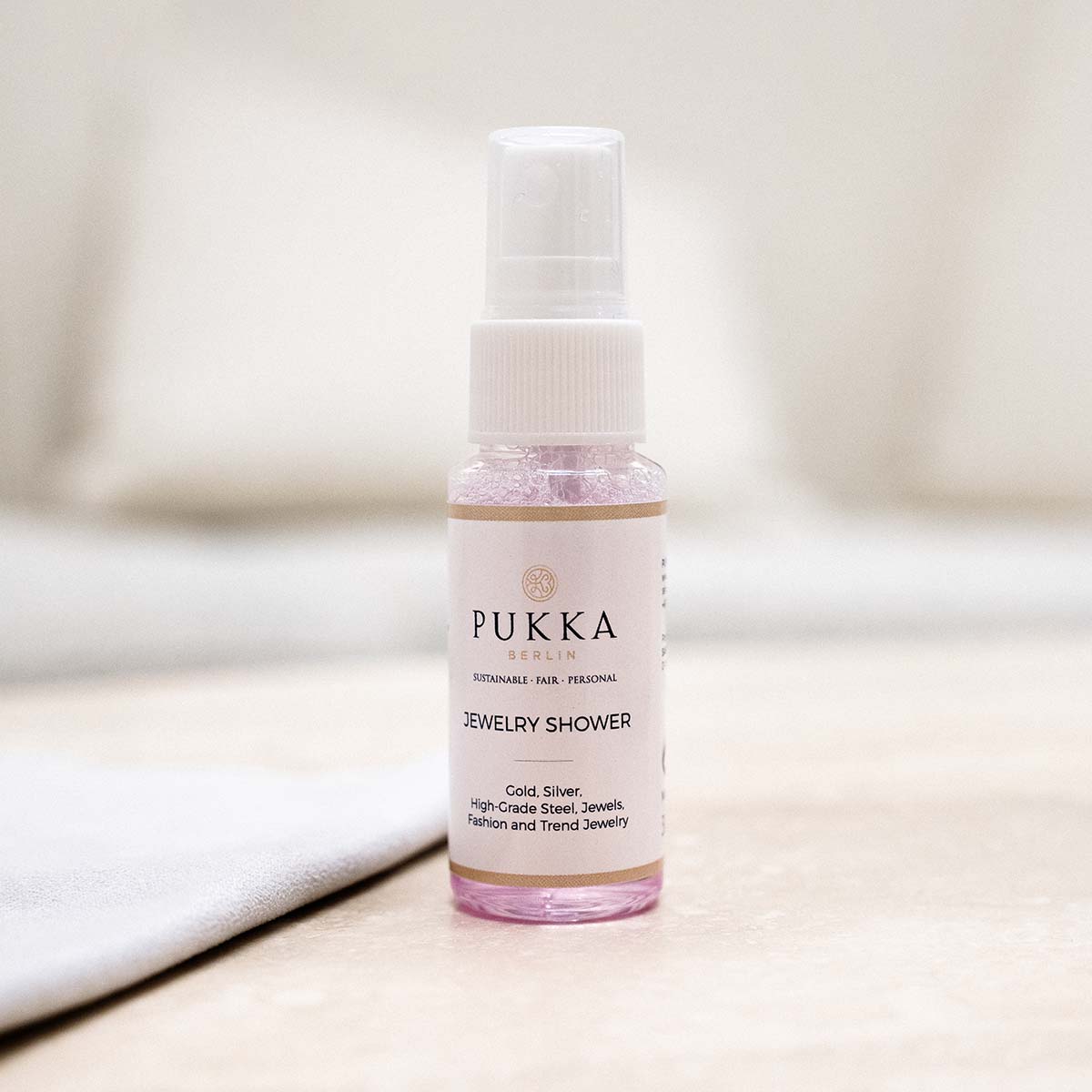
Proper storage also includes regular care. Before you put your jewelry back in your jewelry box, it makes sense to gently remove dirt and grease from it. This will keep necklaces, bracelets, rings and earrings looking beautiful for a long time. For valuable pieces of jewelry or genuine jewelry with gemstones it is also worth visiting us regularly for professional cleaning and to check clasps and settings.

Conclusion: Well organized is half the battle
Regardless of which storage method you choose, keeping things tidy is essential for keeping an overview and preserving your jewelry at the same time. Whether it's a classic jewelry box, decorative jewelry stand, airtight jewelry box or creative DIY solution, the most important thing is that each piece has its own place. If you store your jewelry properly, you'll enjoy it for longer and find it.
More gift ideas
Accessoires




Frequently asked questions
Jewelry should always be kept dry, clean and protected from air, ideally in a jewelry box or soft pouch. It is important that individual pieces are kept separate from each other to avoid scratches and knotting. A cool, dark place also protects against discoloration and material damage.
Jewelry, especially silver, tarnishes when it reacts with air, moisture or chemicals. To prevent this, it should be stored as airtight as possible and protected from perfume, creams or water. Small measures such as separate storage or storage in bags also help to slow down oxidation.
Places with high humidity or strong temperature fluctuations, such as the bathroom, are unsuitable. Direct sunlight or proximity to heat sources can also damage materials and cause colors to fade.
Jewelry should always be stored individually, as hard materials such as diamonds can scratch other pieces and chains can easily become knotted. Separate compartments, pouches or holders ensure that each piece of jewelry remains protected and looks beautiful for longer.


