
Cut setting: Modern setting styles for diamonds

The art of gemstone setting is as old as jewelry itself. Of all the different types of setting used by jewelers and gem-setters today, the cut setting is one of the most technically demanding and at the same time aesthetically impressive. This special setting, also known as "cut setting" , makes it possible to set gemstones directly into the piece of jewelry and give them a harmonious, continuous sparkle. Whether for wedding rings, wedding bands, engagement rings or finely crafted jewelry creations, the cut setting impresses with its quality, its traditional character and its unique design.
The most important facts at a glance
Features of the brilliant cut version
Find out what distinguishes the cut version and how to recognize it.
Learn more
History & development of barrel technology
Discover the historical development and origin of the frame.
Learn more
Advantages and disadvantages of the diamond setting
Learn about the special features of this particular frame technique and find out whether it meets your expectations.
How is the cut setting best accentuated in jewelry?
The different variants in which the bevel setting is used are shown here.
Learn more
Features of the brilliant cut version
The cut setting is a type of setting in which the gemstone is inserted into a prepared groove. The goldsmith or jewel setter first mills or carves a precisely defined, small indentation into the precious metal - i.e. a hole is drilled or a groove is milled - into which the gemstone is set. The stone is then fixed in place by rubbing and working with the burin around the round edge of the gemstone. During the cutting process, the stone is pressed and finally held in place with tiny grains or milgrains, which are worked out of the metal edge.
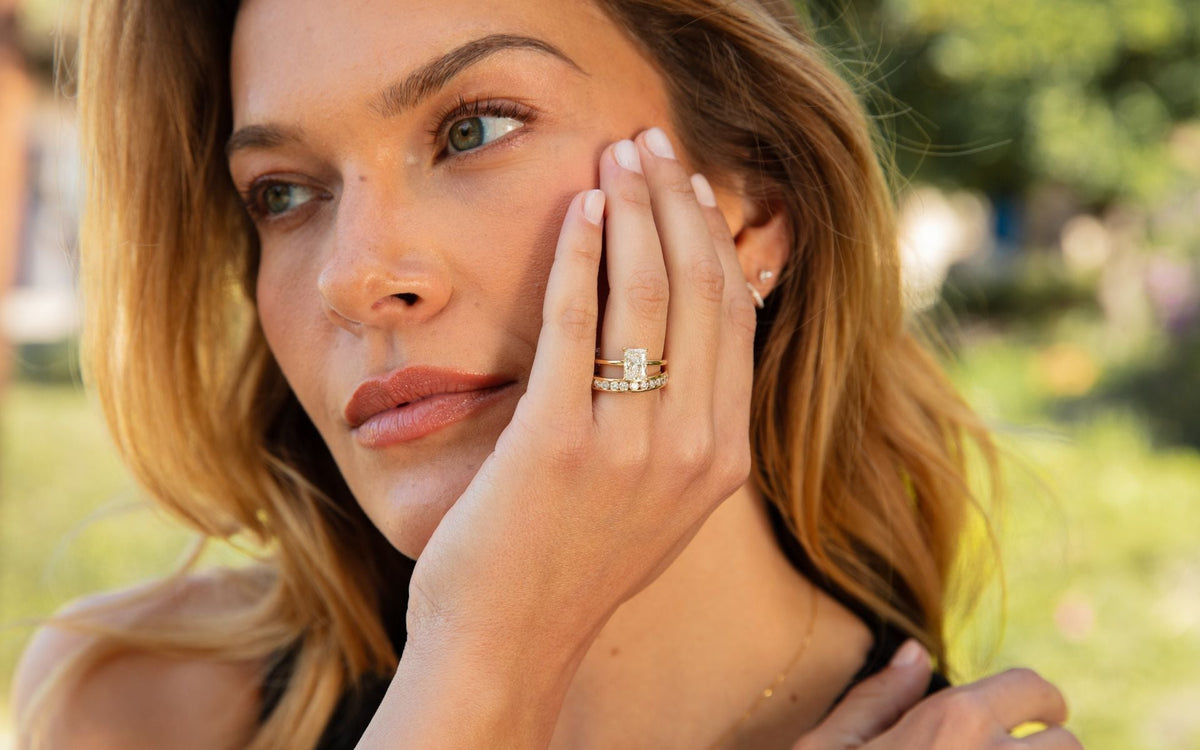
The gemstones lie close together, creating the impression of continuous sparkle. This special arrangement of the gemstones has a similar effect to a pavé setting or a rubbed setting, but the cutting technique is much more complex. Because the gemstones are set directly into the piece of jewelry and surrounded by precious metal, the result is a firm and secure hold that also creates an elegant look.
The cut setting is particularly suitable for smaller stones that are to be arranged in rows or patterns. It is often used in wedding rings, wedding bands and high-quality engagement rings, where the gemstones are evenly distributed across the ring band, creating a shiny accent. The setting type can be combined with gold, platinum, palladium or other precious metals and offers a wide variety for unique designs.

History & development of barrel technology
The history of the cut setting goes far back into the tradition of European goldsmithing. Early on, gem-setters and goldsmiths used techniques in which gemstones were rubbed directly into metals in order to fix them without visible prongs. With the further development of precise tools such as gravers, setting hammers and chisels, the carving technique eventually became a type of setting in its own right.
Offsetting became particularly popular in the 18th and 19th centuries, when jewel setters began to set diamonds and gemstones closer together in order to enhance their brilliance. The technique can be found in historic wedding rings as well as in magnificent court jewelry.
Over the course of time, the cut setting developed further:
- Initially as part of carmolization, in which stones were completely enclosed by the metal.
- Later as a more precise variant in the modern setting technique.
- Today, it is one of the most demanding types of setting and is mastered by experienced setters, some of whom have undergone years of training.
The combination of traditional craftsmanship and modern tools makes the cut setting an art form that remains popular in high-quality wedding rings, wedding bands and exclusive pieces of jewelry.

Advantages and disadvantages of the diamond setting
The setting allows for a particularly even arrangement of the gemstones, creating a brilliant, continuous shine. As the gemstones are set directly into the piece of jewelry, they sit firmly and securely. With the cutting technique, the jeweler can prevent the stone from wobbling or coming loose. The gemstone also receives additional protection thanks to the close connection between the gemstone and the metal. Sharp edges or sensitive areas of the stone, especially with more delicate gemstone cuts, are protected by the surrounding metal. At the same time, this type of setting ensures a modern, elegant look that is ideal for timeless designs. The cut setting is often used for platinum, white gold, yellow gold and palladium, with each precious metal adding its own character. This type of setting also allows for tension ring-like effects when the gemstones are spread across the entire ring band.
Despite its advantages, there are also challenges. Setting is labor-intensive and requires a lot of experience; it is not enough to simply "set" a stone. The gem setter must work with extreme precision, as an incorrect groove, a hole drilled too deep or incorrectly placed grains could damage the gemstone. This type of setting is also less suitable for very large gemstones. The incidence of light can be less than with a prong setting, as the gemstone is more closely surrounded by the precious metal. If you want maximum brilliance, you must choose the setting carefully and seek advice from a jeweler.
How is the cut setting best accentuated in jewelry?
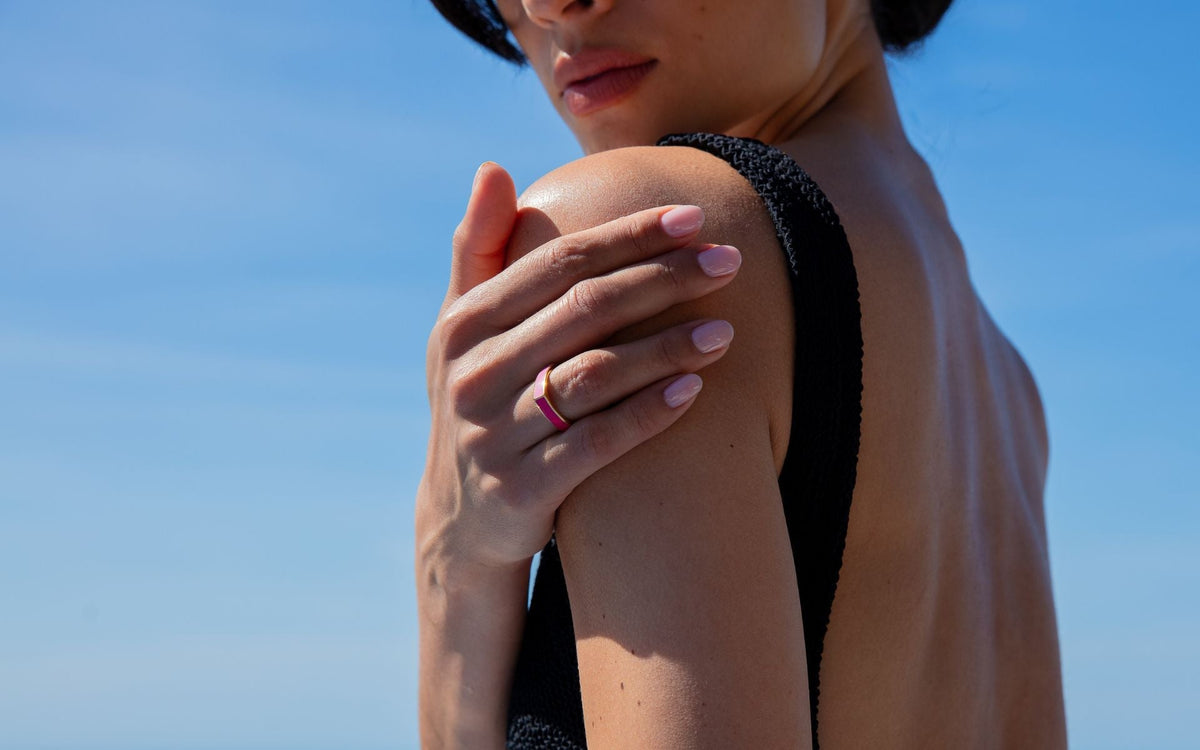
The cut setting reveals its beauty particularly well in rings, whether as a wedding ring, wedding band or engagement ring. It works excellently with ring shanks set with gemstones throughout and creates an elegant, harmonious overall look. Thanks to the typical cut arrangement, gemstones can be set directly into the piece of jewelry so that the ring looks as if it has been cast from a single piece.
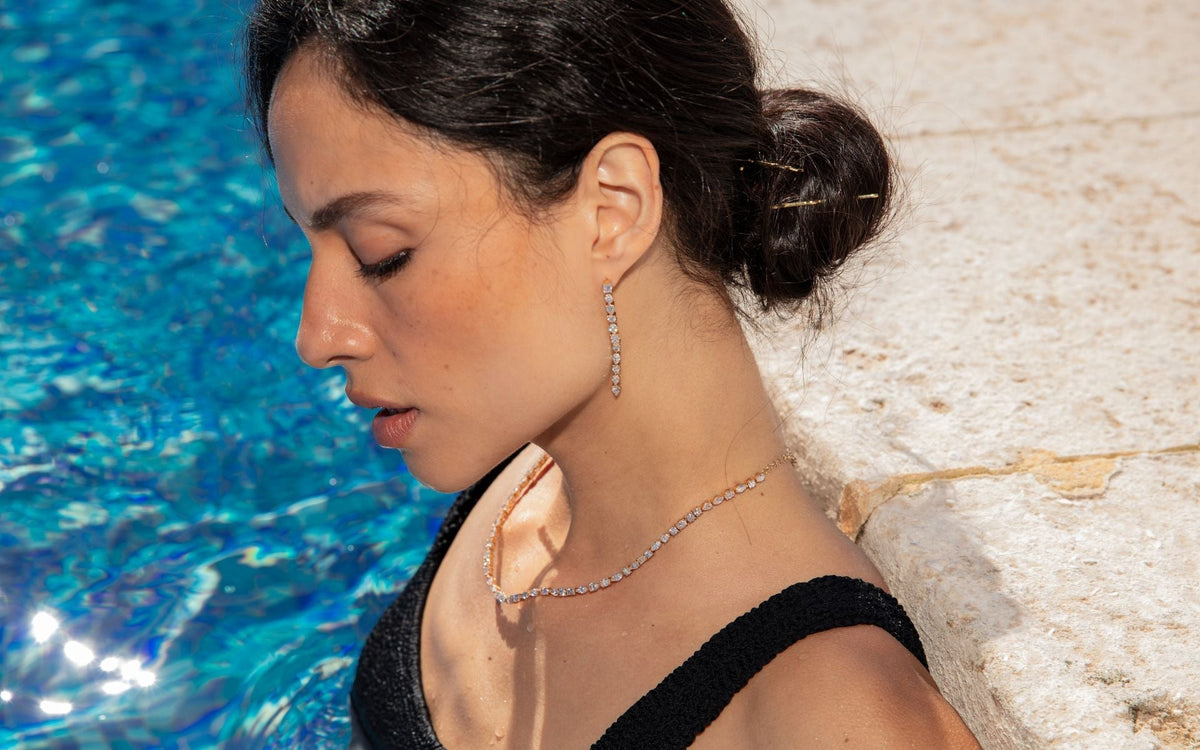
Impressive designs are also created in combination with other types of setting such as channel setting, pavé or bezel setting. Small gemstones set close together create an intense sparkle and a luxurious appearance. Modern pieces of jewelry and exclusive collections in particular rely on this type of setting today, as it offers a sophisticated yet understated elegance.
Our tip:
As the setting leaves less metal visible, it requires regular cleaning. A soft brush and soapy water will keep the small stones sparkling to the maximum and prevent dirt from blocking the light.
Discover our Lab line

Frequently asked questions
The cut setting is a type of setting in which the gemstone is set directly into the piece of jewelry and then fixed in place with finely displaced metal. The stone is pressed or rubbed in with a graver or chisel so that it is held securely without visible prongs.
"Cutting" refers to the technical setting of the metal around the gemstone, in which the gem setter forms tiny grains or beads from the precious metal that enclose the round stone. This technique requires great precision and experience.
It is particularly suitable for smaller stones, for wedding rings, wedding bands, pavé designs, pattern cuts and filigree pieces of jewelry where a continuous, sparkling impression is desired. It is also used in engagement rings, especially as a decorative addition.
Very safe - provided the work is carried out by an experienced jewel setter or gem setter. The metal is pressed or rubbed over the round edge of the stone, creating a stable and permanent fixation.
Yes, it is suitable for many cut shapes. Brilliants, small round stones or carré-cut gemstones are used particularly frequently, as they can be ideally arranged.
With good workmanship and proper care, it will last for many decades. Pieces of jewelry with blends from historical eras show that this barrel technique is extremely durable.
Conclusion: The right frame for style-conscious lovers
The cut setting is a fascinating type of setting that combines precision, craftsmanship and timeless beauty. It is particularly suitable for small gemstones that are set close together to create a glittering overall picture. The gemstone setter uses fine tools to set the gemstones securely and elegantly, creating a firm hold and an impressive visual effect. It gives every ring and every precious metal a luxurious look. Anyone who values a unique design, a secure setting and harmonious brilliance will make an excellent choice with this type of setting.