
Ring settings: The art of gemstone setting in rings, necklaces and bracelets

Choosing the right jewelry setting is crucial to the effect of your piece of jewelry. Whether it's a sparkling engagement ring, elegant wedding rings or ornate necklaces - the way in which gemstones are set not only influences the aesthetics, but also the security and durability of the piece of jewelry. Ring settings have evolved over centuries and today offer a fascinating variety of ways to perfectly showcase diamonds and other gemstones. From classic solitaire rings to modern pave designs - each setting tells its own story and gives the jewelry its individual character. We want to help you find the right one for you.
The most important facts at a glance
Frame mounting
Discover the setting that completely encloses the gemstone with a smooth metal rim.
Learn more
Channel socket
Discover how the stones lie protected in a narrow metal rail and form a sparkling line.
Learn more

Frame setting: Enclosed in precious metal
In the bezel setting, the gemstone is completely enclosed by a precious metal strip that is gently placed around the edge of the stone and pressed firmly into place. This setting offers maximum protection for the gemstone and is particularly suitable for everyday wear, as no protruding prongs can get caught. The smooth, continuous setting wall gives the piece of jewelry a modern, elegant aesthetic and emphasizes the shape of the stone.
This classic technique is ideal for round cuts as well as other types of cuts. The bezel setting is used for both classic wedding rings and contemporary designs and can be realized with various precious metals such as white gold. The stone sits securely and protected, while the precious metal forms an elegant frame that leaves hardly any metal between the stone and the beholder.
In the bezel setting, the gemstones are directly connected to the metal setting, creating a harmonious overall look. It provides optimum protection for the round stones and minimizes the risk of damage. This setting is particularly popular for wedding rings and pieces of jewelry for everyday use, as it combines elegance with maximum practicality. The design is timeless and elegant without being obtrusive - perfect for anyone who appreciates simple elegance.

Recessed setting: Subtle brilliance embedded in the ring
In the rub-on setting, small diamonds are set in tiny, prepared recesses in the metal and fixed in place by rubbing in the surrounding material. This technique, also known as "gypsy setting" , allows the stone to sit flush with the metal surface. The precious metal is carefully pushed over the edge of the stone and polished to create a smooth, continuous surface. The small stones are practically embedded in the ring and merge with the ring band.
This setting is ideal for pieces of jewelry that are worn on a daily basis, as there are no protruding parts. The rubbed setting gives the diamond ring a subtle, timeless look and is often used in men's jewelry and modern wedding rings. The more prongs or metal elements are used in other settings, the more eye-catching the jewelry appears - the rub-over setting, on the other hand, impresses with its understated elegance.
The stones are securely protected and still sparkle attractively, albeit more discreetly than in exposed settings. Jewelry designers particularly appreciate this technique for minimalist designs where the focus is on clear lines. The diamonds set into the ring create a subtle play of light and lend the piece of jewelry a touch of luxury without appearing overloaded. This setting is also a popular choice for wedding rings, as it combines suitability for everyday wear with elegant design.
Discover pieces of jewelry in different settings




Channel setting: modern elegance in perfect lines
The channel setting is characterized by two parallel precious metal tracks between which the gemstones are set in a row. The stones sit protected between the metal walls, which enclose them at the sides. This setting offers a particularly smooth, modern look and is ideal for wedding rings and wedding bands, as no protruding elements interfere with everyday wear. The diamonds lie close together and form a continuous, sparkling line.
This technique uses the gemstones to create perfect symmetry, with the round-cut stones secured by the metal strips on the side. The channel setting optimally protects the round edge of the stones and minimizes the risk of damage. This ring setting is particularly popular for wedding rings that are worn every day, as it combines elegance with practicality. The design looks timeless and elegant without being obtrusive.
The setting wall is precisely crafted and firmly soldered to the ring shank to ensure maximum stability. This setting is particularly suitable for cut stones with clear edges and creates an impressive play of light. The channel setting is also used for necklaces and bracelets and creates a continuous sparkling surface. The technique is suitable for both small diamonds and larger gemstones and can be realized in different variations.

Beam mounting: A variant of the channel mounting
The bar setting is a special version of the channel setting in which the gemstones are held in place by horizontal metal strips - the so-called bars. Unlike the classic channel setting, the stones are not completely surrounded by metal, but are held in place by precisely placed precious metal strips. This technique allows more light to enter and makes the stones sparkle more intensely, as there is less precious metal to be seen.

In contrast to the box setting, in which each stone is framed individually, the bar setting creates a smooth transition between the gemstones. The bars are positioned in such a way that they hold the stone securely without impairing its play of light. This setting is particularly suitable for oval or teardrop-shaped stones and can be used for both engagement rings and modern wedding rings. The elegance of this technique lies in its minimalist design language, which presents the stone in the best possible light.
Pavé setting: Paved with sparkling diamonds

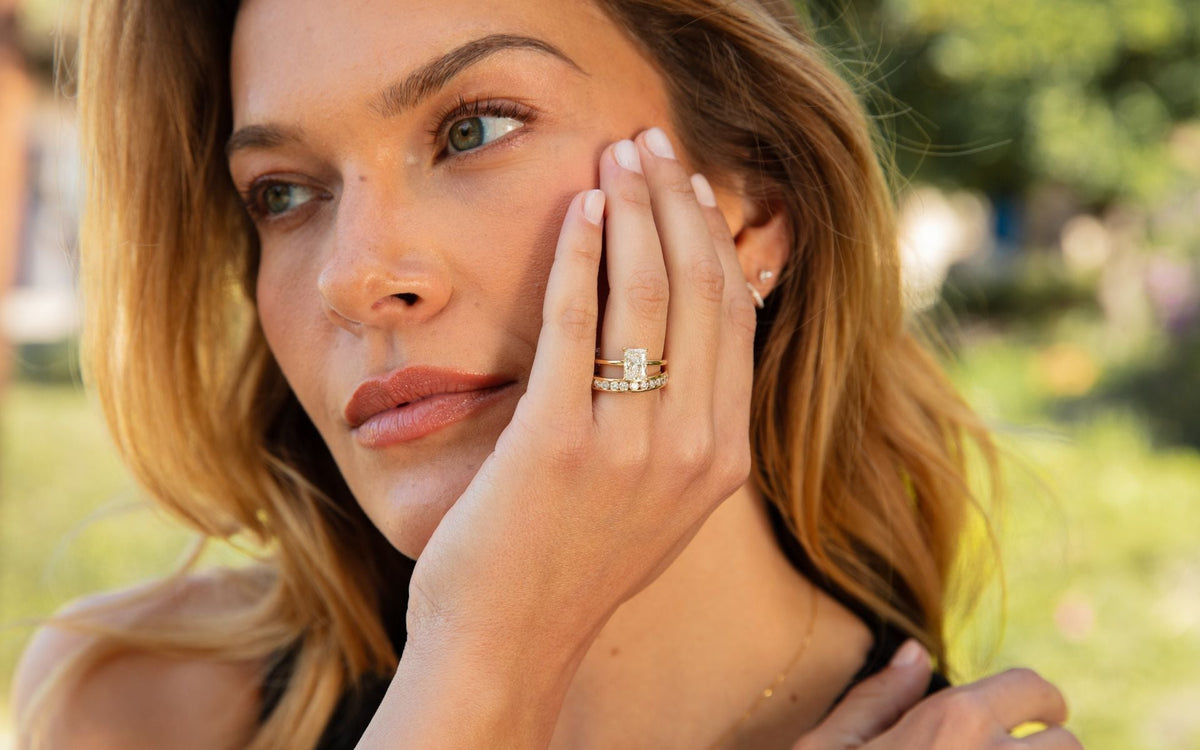
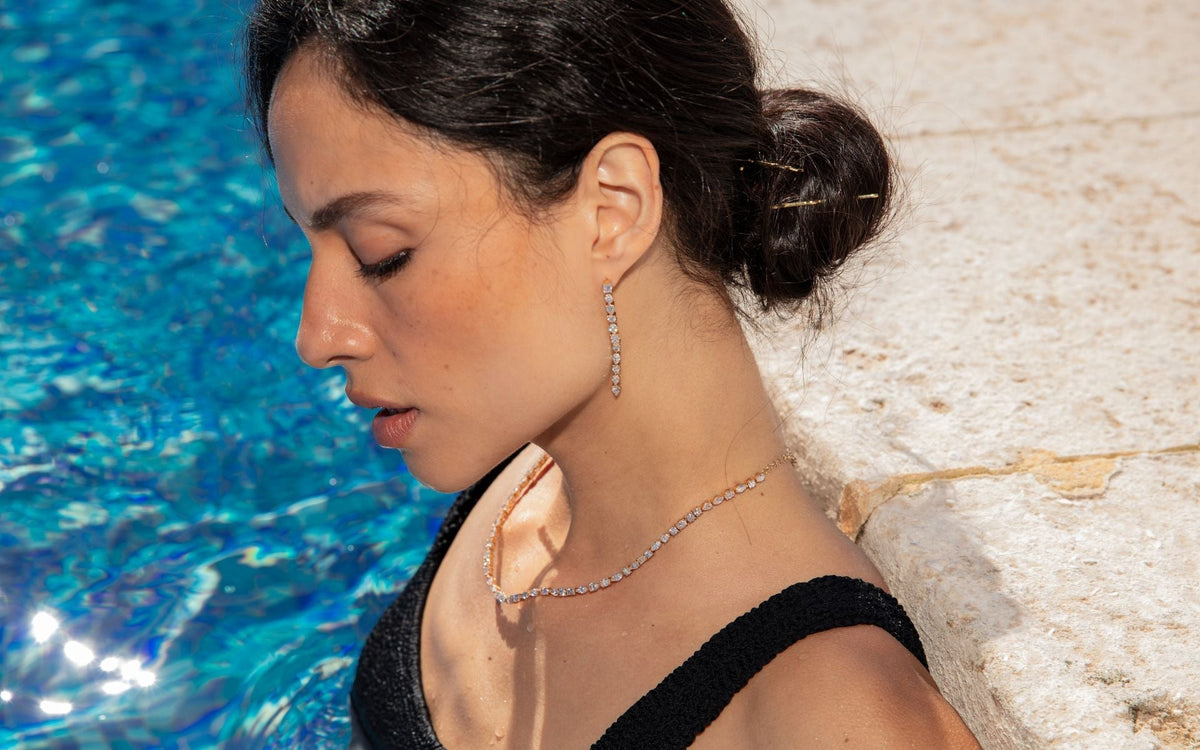
This setting is particularly suitable for narrow ring shanks and is often used in engagement rings to complement the main stone. The pavé setting is ideal for adding extra brilliance to a piece of jewelry without distracting from the central gemstone. The diamonds close together create a breathtaking effect with their continuous sparkle. This technique is also used for necklaces and bracelets, transforming the entire piece of jewelry into a sparkling work of art.
The characteristic feature of the pavé is the dense arrangement of the stones, in which the light is captured and reflected in perfect harmony. The individual diamonds are placed in such a way that they create a continuous sparkle, as if the entire surface were paved with gemstones. This popular technique is used in both classic and modern designs and adds a touch of glamor to any piece of jewelry. In solitaire engagement rings, the pavé setting is often used for the ring band to further emphasize the central stone.


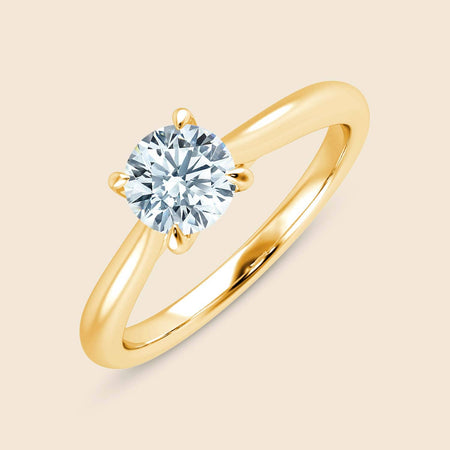
Prong setting: classic elegance with maximum brilliance
The prong setting is one of the most popular and timeless techniques in jewelry making. In this classic method, the gemstone is held in place by so-called prongs - small, tapered metal arms that hold the stone securely. Usually four or six prongs are used, whereby the more prongs are used, the more securely the gemstone is held. At the same time, this setting allows for maximum play of light, as the stone remains open from below and can catch the light optimally.
The prongs are placed precisely on the round edge of the stone and ensure a firm hold. The classic prong setting with six prongs is particularly popular for engagement rings, as it elevates the diamond and brings out its sparkle. The V-prong setting is a special variant in which the individual prongs are V-shaped - ideal for drop-shaped or oval cut stones. The prong ends can have different shapes: round, flat or pointed, depending on the desired design.
This setting is particularly suitable for round-cut stones, but also for oval or other cut shapes. From wedding rings to necklaces and bracelets - the prong setting is used in almost all pieces of jewelry. Four prongs create a square pattern, while six prongs create a rounder shape and offer the stone even more security. The prongs are firmly attached to the ring shank and can be reworked if necessary to protect the stone permanently.

Cut version: The chaton version in traditional form
The cut setting, also known as the chaton setting, is a traditional technique in which the gemstone sits in a conical or cylindrical metal setting. The term "chaton" comes from the French and originally referred to a special type of stone setting that is often found in antique jewelry. In this method, the stone is inserted into the setting from above and fixed in place by bending the upper metal edge - a technique that requires the highest level of craftsmanship.
This classic setting gives the piece of jewelry a vintage-inspired character and is particularly suitable for colored gemstones such as sapphire or other gemstones used in historical designs. The chaton setting can be used for both individual stones and more complex arrangements and is a tried and tested technique in jewelry setting. It offers good protection for the stone and at the same time enables an attractive presentation in which the light is optimally reflected.
With this technique, the setting wall is designed in such a way that it securely encloses the stone and at the same time does not impair its sparkle. This traditional form of setting, which impresses with its precision craftsmanship, is particularly popular for antique jewelry and heirlooms. The cut setting is suitable for both transparent and opaque stones and can be realized in various sizes, from tiny accent stones to prominent main stones in engagement rings or pendants.

Clamping setting: Modern architecture for the gemstone
The tension setting is one of the most modern and technically sophisticated ring settings. With this innovative technique, the gemstone is not held in place by prongs or enclosed by metal, but is fixed by the tension of the precious metal itself. The diamond appears to float between two metal rails, creating a spectacular, contemporary effect. This setting requires the utmost precision, as the stone is held in place solely by the spring force of the ring rail.
The tension setting is particularly suitable for round-cut or oval stones and is often used for modern engagement rings and wedding rings. As the stone is practically free-floating, the light can penetrate from all sides and create a maximum play of light. This setting is particularly suitable for wearers who prefer a minimalist, architectural design and appreciate innovative jewelry design.
The technical challenge with the tension setting is to create just the right amount of tension: strong enough to hold the stone securely, but gentle enough not to damage it. Jewelry designers must know the exact properties of the precious metal used and precisely measure the roundness of the stone. The result is a breathtaking piece of jewelry in which the gemstone plays the leading role and the metal remains discreetly in the background. This setting reveals its full brilliance, especially with diamonds.
Discover our engagement jewelry


Halo setting: a wreath of diamonds
The halo setting is characterized by a ring of small diamonds that surrounds the central gemstone and frames it like a halo. This popular technique often combines a central prong setting with a surrounding pavé setting, which makes the main stone appear larger and more impressive. The small stones in the halo enhance the sparkle of the central diamond and lend the piece of jewelry additional brilliance and elegance.
This setting is particularly suitable for engagement rings and is often combined with a solitaire to give it more presence. The central stone can be held in four or six prongs, while the surrounding small diamonds are pave-set or arranged in a modified pavé setting. The design can be varied from a simple, round halo to more complex shapes with multiple layers or an oval-shaped ring for teardrop-shaped main stones.
The halo setting also gives smaller gemstones an impressive effect and is therefore particularly popular for engagement rings. The contrast between the larger central stone and the small diamonds in the surrounding ring creates a fascinating play of light. This technique is also used for necklaces and earrings, transforming every gemstone into a radiant centerpiece. The combination of different setting techniques makes the halo setting one of the most versatile and effective options in modern jewelry design.
Frequently asked questions
A ring setting is the way in which a gemstone or diamond is attached to jewelry. It ensures that the stone is held securely and at the same time influences the look, style and durability of the piece of jewelry.
The best-known types of setting include the prong setting, frame setting, pavé setting, channel setting, bar setting and tension setting. Each setting has its own visual and practical advantages.
The bezel setting is considered to be particularly secure, as the diamond is completely enclosed by metal. The channel setting also offers a very high level of security, especially with several stones.
The prong setting makes the diamond appear larger due to the open incidence of light. Halo settings also increase the size by surrounding smaller diamonds.
The bezel setting, the channel setting and the rubbed setting are particularly suitable for everyday use, as they protect the gemstone well and are less susceptible to knocks.
The right choice depends on personal style, desired security and wearing comfort. An experienced jeweler can advise which setting best suits the gemstone, ring design and lifestyle.


Choosing the perfect ring setting
The decision for a particular ring setting depends on various factors: the gemstone itself, the desired style, suitability for everyday wear and personal preferences. A sparkling solitaire held with four prongs radiates classic elegance, while a ring paved with pavé embodies modern extravagance. The setting should show off the gemstone to its best advantage and at the same time match the personality of the wearer.
Jewelry designers also consider practical aspects when choosing the setting: If the ring is worn every day, robust settings such as the bezel or channel setting are recommended. For special occasions, on the other hand, it may be more spectacular - an elaborate prong setting or a pavé design set with small diamonds. The combination of different setting techniques in one piece of jewelry creates interesting contrasts and highlights the special nature of each individual element.
Whether engagement ring, wedding band or wedding ring - the setting is more than just a technical necessity. It is an expression of craftsmanship, design and personal style. From the traditional bezel setting to the rubbed setting and the modern tension setting, the world of ring settings offers endless possibilities for transforming gemstones into a unique piece of jewelry that will last a lifetime. The right choice of setting turns a gemstone into a piece of jewelry that tells its own story and combines elegance with individual expressiveness.