
The old cut - forerunner of the brilliant cut, the antique diamond

The old cut diamond, also known as the "Old European Cut", combines timeless elegance and the nostalgic charm of bygone eras. It has an inherent sparkle that impresses not only with its unique brilliance, but also with its history.
The most important facts at a glance
A nostalgic cut shape for your diamond jewelry
Get to know the historical predecessor of the brilliant cut.
Learn more
Characteristics of the old cut diamond (Old European Cut)
How to recognize the old cut and what makes it special.
Learn more
History of the old-cut diamond - How old-cut diamonds gained their brilliance
Find out more about the origins of the Old European Cut.
Learn more
Advantages and disadvantages of old-cut diamonds
Here you can find out what speaks for and against the cut and whether it suits you.
Learn more
A nostalgic cut shape for your diamond jewelry
If you want to add personality, tradition and a timeless aesthetic to your jewelry, old-cut diamonds are an excellent choice. Old cuts (often known by terms such as "old master cut", "old European cut" or "old cut diamond" ) refer to a series of historical cuts that were created before the modern brilliant cut. They combine craftsmanship, history and a very unique look and are ideal for rings, pendants or earrings with character.

Characteristics of the old cut diamond (Old European Cut)
An old-cut diamond is a round diamond that was cut between around 1890 and 1930 and is considered the stylistic predecessor of the modern brilliant cut. This so-called "old European cut" is characterized by its special proportions and hand-cutting technique, which give it an unmistakable charm.
Typical of the old cut is a small main facet (table), which at around 38 to 45 percent is significantly smaller than in modern diamonds, whose table size is usually between 53 and 58 percent of the diameter. In addition, the old-cut diamond has a high crown and a deeper lower body, which gives the stone more depth and volume overall. Another striking feature is the clearly visible culet, the facet at the lower end of the stone, which is often larger and visible as a small dark dot when viewed from above.
The facets of the old cut are usually larger and less regular than those of modern, machine-made cuts. This creates a more lively but softer play of light. The shape of the stone is also often slightly irregular. Although the round edge is present, it is not always perfectly circular, as the stones were still cut by hand at the time. The result is a diamond with a softer brilliance and a nostalgic sparkle reminiscent of the warm light of times gone by. These special characteristics make the old-cut diamond a good choice for pieces of jewelry that combine tradition and timeless aesthetics.
Discover jewelry with round diamonds




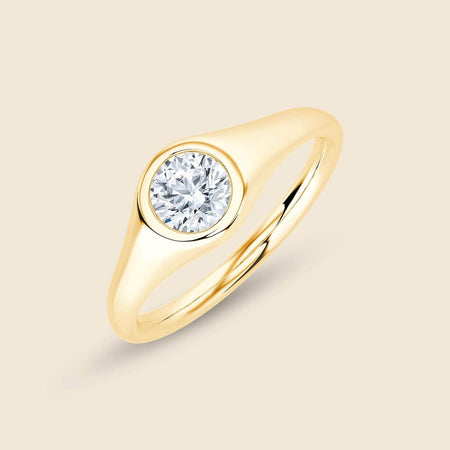
History of the old-cut diamond - How old-cut diamonds gained their brilliance
The history of the old cut diamond begins in the late 19th century. The "Old European Cut" is considered the direct predecessor of the modern brilliant cut and marks the transition between traditional craftsmanship and later, technically perfected diamond processing.
The old cut was widely used around 1910 and in the following decades. It was used particularly in jewelry such as diamond rings and platinum engagement rings before the modern brilliant cut made its triumphant advance. At that time, cutting was still purely manual work and each stone was cut individually. Gemstone cutters used the warm glow of candlelight as a guide when cutting, as electric light was not yet a matter of course. As a result, the proportions differed significantly from today's cuts. The height of the crown was usually greater, the table smaller and the lower body deeper.
The jewelry styles of that era, particularly the Edwardian and Art Deco styles (ca. 1900-1930), made use of the old cut and often combined it with precious metals such as white gold or platinum. A classic solitaire diamond ring with an old-cut diamond in a platinum setting is a typical example of this period. With the advent of modern cutting machines and the increasing standardization of diamond craftsmanship, the era of the modern brilliant cut finally began, which impresses with precisely calculated proportions and maximum brilliance, a consistent further development of the charming, historic old cut.
Did you know?
Engagement rings from Pukka Berlin include free engraving and subsequent resizing up to one size in the price. If you are still unsure about your choice of engagement ring, we will be happy to advise you in a personal consultation. Book an appointment here!
Advantages and disadvantages of old-cut diamonds


Tip:
When buying an old-cut diamond, pay particular attention to the proportions and size of the calette - the more harmonious these features appear, the more beautiful the soft, nostalgic sparkle that makes the old-cut diamond so unique.
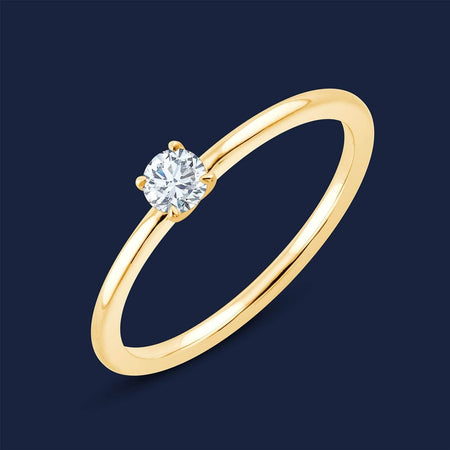
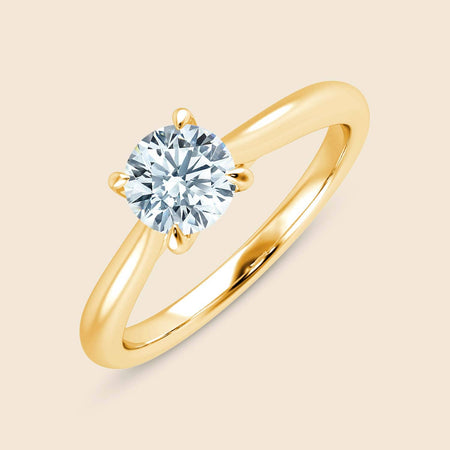
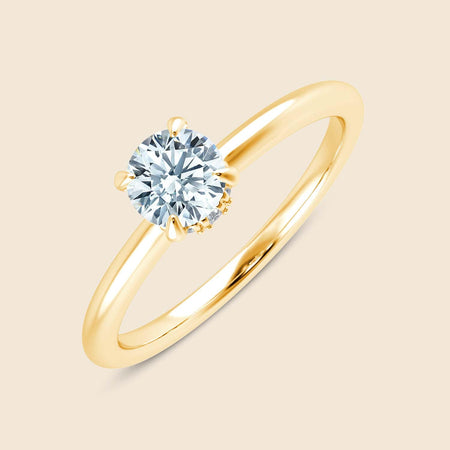
Discover classic engagement rings from Pukka Berlin
Conclusion
An old cut diamond (Old European Cut) is more than just a gemstone, it is a piece of jewelry history. Its characteristic proportions (small table, high crown, visible calette) clearly distinguish it from the modern brilliant cut and lend pieces of jewelry a nostalgic charm and individual charisma. If you are looking for a piece of jewelry with personality, craftsmanship and timeless elegance, old-cut diamonds are an excellent choice. If, on the other hand, you are looking for maximum brilliance and the typical "sparkle" of modern cuts, a round brilliant-cut diamond in a modern brilliant cut may be more to your liking. In both cases, the following applies: advice from experienced jewelers and cutters, a good setting (e.g. platinum or white gold) and an eye for proportions, roundness and calette make all the difference.
Frequently asked questions
An old cut (also known as an Old European Cut or Old Mine Cut) is a historic diamond cut that was cut by hand before 1930 and is characterized by a larger calette, a softer curve and a romantic, warm sparkle.
The old cut has less standardized proportions, a slightly higher crown and a larger calette. This makes it sparkle softer and less "flashy" than a modern brilliant.
They offer a unique vintage charm, genuine historical character and go perfectly with antique or retro-style jewelry.
Yes, because they are no longer traditionally made. Many come from inherited pieces or are remade from old pieces of jewelry.
Good symmetry, facets that are as clear as possible, proportions that match the desired style and that the stone does not appear too dark - some historic stones allow less light to pass through.
Old cuts are often used in engagement rings, art deco rings or historical jewelry creations that emphasize the classic, elegant look.